In Francophone West Africa, family planning is now recognized as far more than a public health issue. In a region facing security crises, population displacement, and increasing pressure on health systems, ensuring access to sexual and reproductive health services has become a critical driver of development, resilience, and stability.
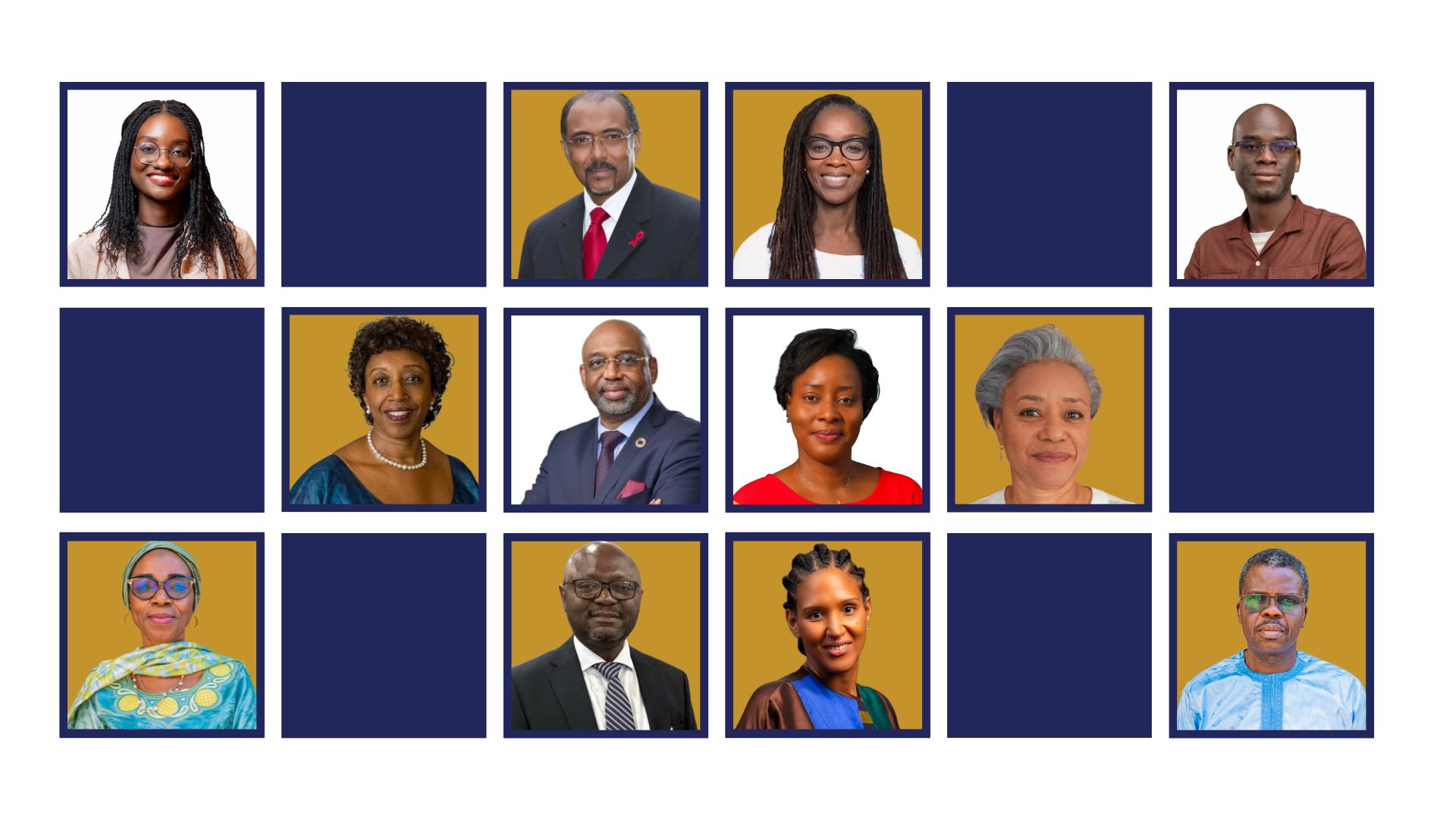
It is in this context that the Ouagadougou Partnership (OP) is taking a new step in its evolution with the establishment of a new Advisory Board. Officially launched in February 2026, this strategic body will support the implementation of the Beyond 2025 strategy and contribute to advancing the Partnership’s collective ambition: reaching 13 million additional users of modern contraceptives by 2030.
An evolution in governance to support a new strategic phase
Since its creation in 2011, the Ouagadougou Partnership has become one of the most impactful regional initiatives advancing voluntary access to modern contraception across nine countries in Francophone West Africa.
Over the years, the initiative has contributed to significant progress in family planning. However, the challenges the region faces have evolved considerably: the multiplication of humanitarian crises, shifting global development financing priorities, and the growing need to anchor reproductive health policies within national development strategies.
In response, the Partnership’s stakeholders engaged in a reflection on the evolution of its strategic governance mechanisms.
A transition phase was initiated to redefine the role and composition of the Advisory Board, aligning it with the ambitions of the Beyond 2025 strategy. This process resulted in the establishment of a renewed Board, equipped with a clarified mandate, performance indicators, and a strengthened operational framework to more effectively support the Partnership’s strategic priorities in the years ahead.
A diversity of expertise to support the Partnership’s ambitions
The composition of the new Advisory Board reflects the Ouagadougou Partnership’s commitment to mobilizing complementary expertise capable of supporting ongoing transformations in the region.
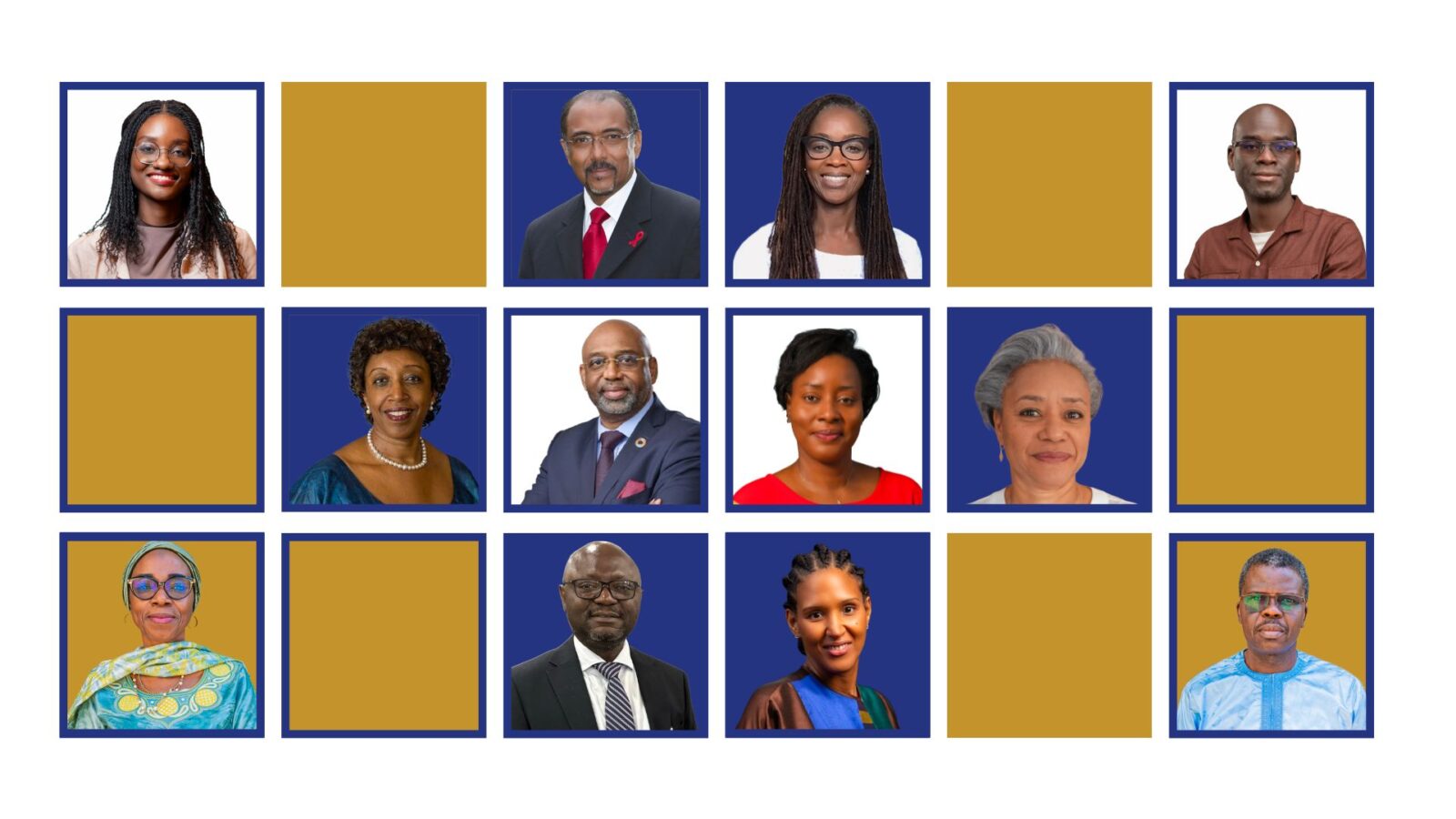
The Board brings together leaders from diverse backgrounds, including political leadership, international institutions, reproductive health experts, technical and financial partners, representatives of member countries, as well as actors from civil society and youth organizations. Together, these profiles carry the collective voice of the nine Partnership countries and strengthen its strategic dimension.
Among them is Dr. Michel Sidibé, former Minister of Health of Mali and former Executive Director of UNAIDS, whose experience in health diplomacy and health systems governance is a major asset for advancing the Partnership’s regional ambitions.
The Board also benefits from the expertise of Ms. Mbaranga Gasarabwe, whose experience within the United Nations system and in managing humanitarian contexts provides critical insight into integrating family planning into resilience strategies and crisis responses.
The presence of the World Health Organization – Regional Office for Africa (WHO AFRO), represented by Dr. Abdourahmane Diallo (DPM), Director of Programme Management, marks an important evolution in the Partnership’s ecosystem, strengthening alignment between OP priorities and regional public health dynamics.
The Board also includes the West African Health Organization (WAHO), a specialized institution of ECOWAS, represented by Dr. Clétus Adohinzin. Its presence reinforces the regional anchoring of the Partnership and aligns its priorities with broader health cooperation efforts in West Africa.
Within this new Board, Ms. Maty Dia, a public health expert, brings extensive experience in global health governance, promoting equity, accountability, and inclusion in policy and investment decisions. With over 25 years of professional experience, her presence is essential to amplifying the voice of civil society and youth in decision-making spaces and catalyzing investments for adolescents.
The Advisory Board also integrates the perspective of member countries through the participation of Dr. Dieney Fadima Kaba, Director of Family Health and Nutrition of Guinea, and Dr. Thierry Lawalé, Director of Maternal, Child Health and Obstetric Care of Benin.
Through their respective roles, they bring operational experience from national reproductive health policies and help anchor the Board’s strategic orientations in implementation realities. Together, they represent the voice of the nine Partnership countries, ensuring that governments are effectively supported in improving sustainable access to family planning.
The Board also includes the Gates Foundation, represented by Dr. Martin Migombano, Senior Program Officer. As the representative of the OP Coordination Unit’s donor group for the current year, he serves as a key link with financial partners. The Foundation’s participation helps strengthen alignment between the Partnership’s strategic directions and global health financing dynamics, while fostering dialogue around sustainable resource mobilization.
Speak Up Africa, the host organization of the Ouagadougou Partnership Coordination Unit (OPCU), is also represented on the Advisory Board by its Founder and Executive Director, Ms. Yacine Djibo. Through this role, the Board benefits from Speak Up Africa’s expertise in strategic advocacy, stakeholder engagement, and promoting innovative solutions for development across the continent. Its role as host ensures coherence between the Board’s strategic orientations and the Partnership’s coordination mechanisms.
Beyond institutional and technical profiles, the Board is also enriched by the contributions of actors from civil society, youth, and financial partners committed to supporting family planning in the region. Their presence reflects the Partnership’s commitment to bridging technical expertise, civic engagement, and resource mobilization to inform strategic decision-making.
Among them are Ms. Rajah Diouri Sy, National Director of Special Olympics Senegal, Ms. Aminata Dia, Founder and President of Malaama Association, and Dr. Ginette Hounkanrin, Senior Manager for Sexual and Reproductive Health at the Children’s Investment Fund Foundation (CIFF), a key financial partner supporting OP countries. Together, they bring complementary perspectives — on disability inclusion, youth engagement, and innovative financing — that enrich the Partnership’s strategic discussions.
We met with these three members of the new Advisory Board to gather their initial impressions and perspectives on the priorities ahead.
More inclusive governance
The diversity of the Board is also reflected in the inclusion of actors committed to equity and inclusion.
Rajah Diouri Sy highlighted the importance of addressing access to sexual and reproductive health services for persons with disabilities.
The specific needs of girls and women with disabilities in sexual and reproductive health remain insufficiently addressed.
Rajah Diouri Sy
She advocates for greater integration of these issues through awareness-raising, training of health professionals, and more inclusive budgeting approaches.
A stronger role for youth
Youth engagement has long been a pillar of the Ouagadougou Partnership, and this commitment is further strengthened under the Beyond 2025 strategy.
Within the new Advisory Board, Aminata Dia represents youth and embodies this commitment to placing young people at the center of strategic discussions.
This presence confirms that youth, especially young women, are no longer just invited to share experiences but are recognized as legitimate actors in strategic decision-making.
Aminata Dia
In a region where more than half of the population is under 25, this participation is essential to ensure policies reflect the realities of young people.
Sustainable financing and innovation
Sustainable financing remains one of the major challenges for the future of family planning in the region.
Dr. Ginette Hounkanrin emphasized the importance of exploring innovative financing models and strengthening domestic resources.
To mobilize and optimize local resources, it is essential to build an integrated financial ecosystem combining public, private, and community resources.
Dr. Ginette Hounkanrin
The Advisory Board will play a key role in identifying strategies to support sustainable financing for reproductive health policies.
Beyond 2025: a new chapter for the Partnership
The establishment of this new Advisory Board is fully aligned with the Partnership’s Beyond 2025 strategy.
This roadmap is built on four pillars: strengthening political leadership, integrating family planning into humanitarian and fragile contexts, placing youth at the center of decision-making, and mobilizing sustainable domestic resources.
Fifteen years after its creation, the Ouagadougou Partnership is entering a new phase of its evolution. By strengthening its governance and mobilizing diverse expertise, it aims to consolidate its role as a regional catalyst for access to family planning.
Beyond strategies and indicators, the stakes remain deeply human: enabling millions of women and girls to fully exercise their right to choose their future.